


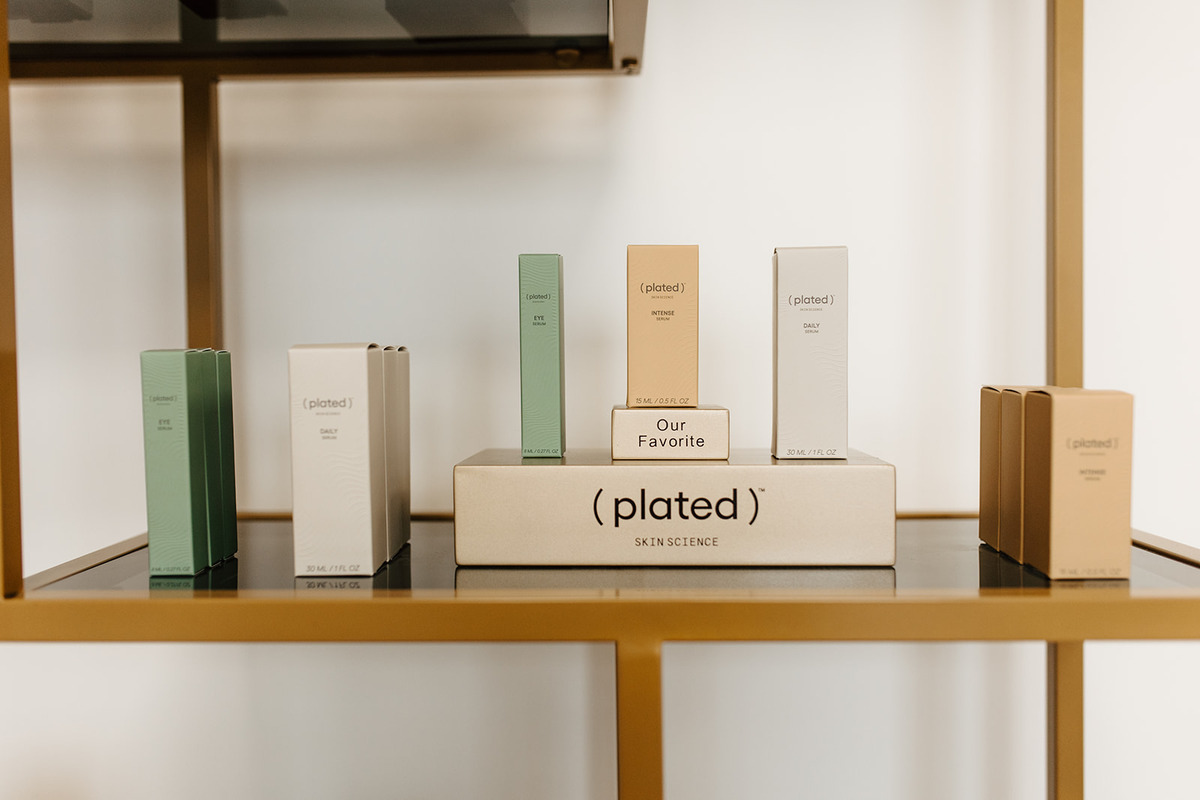
Medical Grade Skincare
Medical Grade Skincare: What It Is, Why It Matters, and How to Use It
Medical grade skincare is a step above traditional over-the-counter products. These are clinically proven, professionally formulated products designed to improve skin health, correct concerns, and enhance the results of in-office treatments. Unlike typical drugstore products, medical grade skincare contains higher concentrations of active ingredients that penetrate deeper into the skin, targeting the root causes of aging, acne, pigmentation, and dehydration.
Whether you’re looking to maintain youthful skin, correct visible damage, or prepare for advanced treatments like Hydrafacials, Neurotoxins, or laser procedures, medical grade skincare is a cornerstone of long-term results.
What Is Medical Grade Skincare?
Medical grade skincare is formulated with potent, clinically proven ingredients designed to penetrate deeper into the skin. These formulations are often developed with dermatologists and medical researchers to target specific concerns.
Core Ingredients in Medical Grade Skincare:
Retinoids – Increase cell turnover, stimulate collagen production, and reduce fine lines and wrinkles.
Vitamin C & Antioxidants – Protect against free radicals, reduce discoloration, and brighten the skin.
Hyaluronic Acid – Provides deep hydration for plump, smooth, and healthy-looking skin.
Peptides & Growth Factors – Support repair, improve elasticity, and restore structure.
Niacinamide – Reduces redness, strengthens the skin barrier, and improves elasticity.
AHAs & BHAs – Chemical exfoliants that improve texture and unclog pores.
Why Medical Grade Skincare Is Different:
Unlike retail products, which may sit on the skin’s surface, medical grade products penetrate deeper, reaching the dermis to improve structure, stimulate collagen, and enhance overall skin health.
Who Can Benefit from Medical Grade Skincare?
Medical grade skincare is suitable for all ages and skin types. Everyone can benefit, whether for prevention, maintenance, or correction:
Young Adults (20s–30s): Prevent early signs of aging, improve skin resilience, and protect against environmental damage.
Middle-Aged Adults (40s–50s): Reduce fine lines, uneven pigmentation, and loss of elasticity.
Mature Adults (60+): Enhance hydration, reduce age spots, and maintain a youthful texture.
By using products that are potent and scientifically validated, individuals across all age groups can see significant improvement compared to over-the-counter alternatives.
Key Benefits of Medical Grade Skincare
Improves Skin Texture and Tone
Active ingredients target rough texture, fine lines, and uneven pigmentation for smoother, more radiant skin.
Deep Hydration
Ingredients like hyaluronic acid and glycerin maintain moisture levels, improving elasticity and plumpness.
Prevents and Repairs Damage
Antioxidants neutralize free radicals, peptides stimulate collagen, and growth factors encourage repair at a cellular level
Enhances In-Office Treatments
Medical grade skincare complements treatments like Neurotoxins, dermal filler, Hydrafacials, laser treatments, or microneedling, ensuring longer-lasting and more noticeable results.
Customized Care
Formulations are tailored to your specific skin type, age, and goals—something over-the-counter products cannot achieve.
How Medical Grade Skincare Works
The effectiveness lies in ingredient potency and skin penetration:
Retinoids: Accelerate cell turnover and smooth wrinkles.
Vitamin C: Brightens and protects skin from free radicals.
Peptides & Growth Factors: Stimulate collagen production and repair tissue.
Hyaluronic Acid: Maintains moisture, preventing dehydration and fine lines.
A professional assessment ensures the correct combination for your skin, avoiding irritation while maximizing results.
Common Mistakes with Medical Grade Skincare
Even potent products fail if used incorrectly:
- Skipping Professional Guidance – Incorrect use can lead to irritation.
- Improper Layering – Serums, actives, and moisturizers must be applied in the right order.
- Inconsistent Use – Daily commitment is crucial.
- Neglecting Sunscreen – Many actives increase photosensitivity.
- Expecting Instant Results – Improvement often takes 8–12 weeks.
Seasonal Tips: Spring & Beyond
Spring introduces higher sun exposure, pollen, and humidity. Medical grade products help:
- Protect against sun damage with antioxidants and SPF
- Calm redness from allergies with niacinamide
- Prepare skin for summer treatments like chemical peels and Hydrafacials
Monthly Reminder: Review your routine seasonally to adjust hydration, SPF, and exfoliation based on climate changes.
FAQs About Medical Grade Skincare
Q: Are medical grade products safe for all ages?
A: Yes! They can benefit adults of all ages, from early prevention to mature skin maintenance.
Q: How soon will I see results?
A: Subtle improvements may appear within weeks, but optimal results typically take 8–12 weeks.
Q: Can I combine medical grade skincare with treatments?
A: Absolutely! Medical grade skincare enhances your in-office treatments.
Q: Are these products expensive?
A: While pricier than retail options, they deliver measurable results, reducing the need for corrective treatments later.
Q: Can I use medical grade skincare if I have sensitive skin?
A: Yes, when guided by a professional. Ingredients can be tailored to minimize irritation while delivering results.

Ready to Upgrade Your Skincare Routine?
Invest in medical grade skincare today and see the difference research-backed, professional formulations can make.
Book a consultation here or try our online skincare quiz here!